TL;DR: 70-year-old solo hiker Craig Berg was found alive and alert on Sept. 12 after being missing in Isle Royale National Park since Sept. 5, located with help from backpackers and lifted out by a Coast Guard helicopter.
Missing A Week On A Lake Superior Island, Found Alive
Craig Berg, 70, survived more than a week missing in Isle Royale National Park and was recovered alive on Saturday, Sept. 12, 2026.
That outcome was confirmed Sept. 12-13 by the National Park Service and the U.S. Coast Guard, according to ABC News and the Minnesota Star Tribune. Berg had been missing since Sept. 5. Backpackers located him, Michigan State Police troopers and K-9 units reached him, and a Coast Guard aircrew hoisted him from the island for hospital care.
Authorities described him as alive and alert, but also injured and hypothermic, according to ABC News. Emergency crews moved him from the remote island to Marquette Regional Airport in Gwinn, Michigan, then onward by emergency medical services to a local hospital.
Who was missing, and when did the trip go wrong?
Berg was identified as a 70-year-old resident of Royal Oak, Michigan, according to MPR News and FOX 2 Detroit.
He had set out on a solo, multi-day hike on the large Lake Superior island, according to MPR News. Park officials said he left Aug. 27 for a hike on the Greenstone Trail, according to Detroit radio station WWJ.
His plan called for a ferry return to Michigan's Upper Peninsula on Sept. 5, according to MPR News. He did not arrive home as planned.
Family members reported him missing on Sept. 6, according to MPR News and FOX 2 Detroit. That missed ferry return became the trigger point for the search.
The National Park Service announced Sept. 12 that backpackers had found Berg alive and alert, according to MPR News. A separate National Park Service announcement on Sunday, Sept. 13, confirmed the successful location after more than a week, according to the Minnesota Star Tribune.
Officials did not immediately describe where on the island Berg was found or the circumstances of his disappearance, according to the Minnesota Star Tribune. The Park Service said additional information would take time to investigate and release, according to the Minnesota Star Tribune and MPR News.
Where did this happen?
Isle Royale National Park occupies a remote island in Lake Superior, off the northeast tip of Minnesota and north of Michigan's Upper Peninsula, according to MPR News and MLive.
The island is about 45 miles long and nine miles wide, according to MPR News. Apart from two hubs of visitor services at either end, there are no roads or motor vehicles across the wilderness island, according to MPR News.
The park contains a network of rugged trails, including the Greenstone Ridge Trail that spans nearly the entire length of the island, according to MPR News. WWJ reported that Berg's Greenstone Trail route was his stated itinerary for the late-August hike.
Access is limited to ferry, seaplane or private watercraft in normal operations, a constraint that shapes both trip planning and emergency response. Search managers therefore had to bring outside personnel and dogs to the island by water and air rather than by road.
That isolation explains why a missed Sept. 5 ferry sailing carried such weight. On an island without roads, a missed scheduled boat is one of the few clear signals that a solo traveler has not exited the backcountry.
How did search teams cover the island?
The search combined ground teams, aircraft and specially approved drones, according to the Minnesota Star Tribune.
Repeated foot patrols searched trails and surrounding terrain. Aircraft overflights scanned larger areas. Drones added aerial observation in difficult cover, according to the Minnesota Star Tribune.
Drone use required special approval because drones are ordinarily prohibited at Isle Royale, according to the Minnesota Star Tribune. Aircraft are also restricted in parts of the park, but officials granted emergency approval during the search, according to the Minnesota Star Tribune. MLive likewise reported that special approvals are granted during emergencies for drone operations.
Participating organizations included National Park Service employees, the Michigan Department of Natural Resources, Michigan State Police, Keweenaw County deputies, the U.S. Coast Guard, No One Left Behind Canine Search & Rescue of Wisconsin, and Minnesota State Patrol aviation resources, according to the Minnesota Star Tribune.
WWJ listed a similar roster, naming the Coast Guard, Michigan DNR and Michigan State Police alongside Minnesota State Patrol Aviation Resources and the Wisconsin canine group. MLive named the Michigan Department of Natural Resources, Michigan State Police, U.S. Coast Guard Station Portage, No One Left Behind Canine Search & Rescue from Wisconsin, and Minnesota State Patrol Aviation Resources.
On Friday, Sept. 11, the Coast Guard moved additional search capacity to the island, according to ABC News. A Coast Guard boat crew and a helicopter crew transported Michigan State Police troopers and K-9 units to Isle Royale to assist in the search, according to ABC News.
That Friday movement placed state tracking resources on the island the day before Berg was located. For wilderness readiness, the sequence shows how island searches escalate: local park rangers first, then state police and dogs, then federal aviation and marine transport to overcome water barriers.
How did the Sept. 12 rescue work?
Backpackers in the area helped locate Berg on Sept. 12, according to ABC News and MPR News. Michigan State Police troopers and K-9 units then located Berg on Isle Royale with that assistance, according to ABC News.
Authorities said Berg was injured and hypothermic when found, but alive and alert, according to ABC News. The Guardian also reported that he was hypothermic but alert when located during the solo hike. The Park Service's public wording emphasized alive and alert without immediately detailing injuries, according to the Minnesota Star Tribune and MPR News.
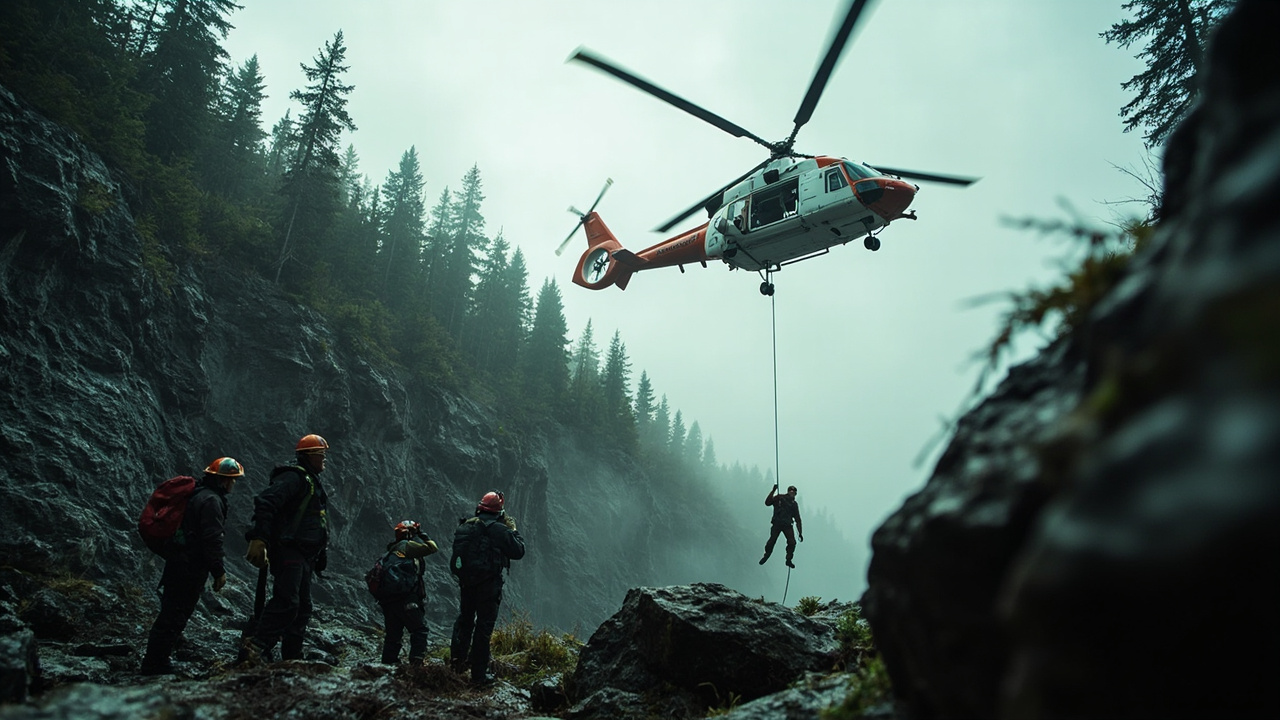
An MH-60 Jayhawk helicopter crew from Coast Guard Air Station Traverse City performed the extraction, according to ABC News. The crew hoisted Berg from the island and transported him to Marquette Regional Airport in Gwinn, Michigan, according to ABC News.
Emergency medical services personnel then took him to a local hospital for further care, according to ABC News. The Coast Guard described the transfer as delivery to the medical care he needed.
Michigan State Police Lt. Ben Eckola thanked agencies and individuals involved in locating and rescuing Berg, according to ABC News. Coast Guard Senior Chief Petty Officer Wendy Janson said the rescue reflected teamwork between first responders and community members, according to ABC News.
Isle Royale park officials also thanked employees, partner agencies and members of the public who provided information, according to the Minnesota Star Tribune.
Why did other hikers matter so much?
Backpackers were central at both ends of the incident: as the people who found Berg and as a source of information during the search.
ABC News credited backpackers in the area with helping troopers and K-9 units locate Berg. MPR News reported that backpackers found Berg on Saturday. The Minnesota Star Tribune reported that backpackers located Berg in the remote park. WWJ likewise reported that backpackers found Berg on Sept. 12.
Park officials also thanked members of the public who provided information, according to the Minnesota Star Tribune. In a roadless park with dispersed camps and long ridge trails, other travelers function as additional eyes and ears.
The lesson for wilderness readiness is direct: travel corridors with other permitted visitors can shorten a search. A solo hiker who remains near trails or camps used by backpackers is more likely to be seen or reported than someone entirely off route.
Officials did not say by Sept. 13 whether Berg had shelter, food or signaling gear during the extra days, nor did they describe his injuries. Those details were left for later investigation, according to the Minnesota Star Tribune.
What does this case show about solo trip safety?
Three survival factors stand out from the verified record.
First, a fixed exit date created a detection point. Berg was scheduled to depart by ferry Sept. 5, and his family reported him missing Sept. 6 when he did not return, according to MPR News. A scheduled boat, like a scheduled check-in, gives contacts a clear date to act.
Second, family notification worked. The report on Sept. 6 launched operations that continued through Sept. 12, according to FOX 2 Detroit. The search then expanded across state lines to include Wisconsin and Minnesota resources, according to WWJ.
Third, multi-agency transport overcame geography. Without roads to the island, searchers needed boats and aircraft simply to arrive, according to ABC News and the Minnesota Star Tribune. The Friday delivery of troopers and dogs by Coast Guard boat and helicopter showed the extra step island rescues require.
Hypothermia was confirmed as part of Berg's condition on recovery, according to ABC News. That finding underscores cold exposure as a September risk on Lake Superior, even without further medical detail released by Sept. 13.
No additional details about his condition beyond alive and alert were immediately provided by park officials, according to the Minnesota Star Tribune. The Park Service said further details will take time to investigate and share, limiting what travelers can infer about shelter or injury management.
What is still unknown as of Sept. 13?
As of the Sept. 13 archive cutoff, officials had not released the precise location where Berg was found, the circumstances that separated him from his itinerary, or a medical update beyond alive and alert with injury and hypothermia noted by the Coast Guard accounts.
The National Park Service said investigation and release of additional information would take time, according to the Minnesota Star Tribune. MPR News carried the same caution that further details will take time to investigate and share.
That pause is normal after a week-long search involving multiple agencies. For readers, the responsible approach is to treat plans as plans: Berg's Aug. 27 start, Sept. 5 ferry plan and Sept. 6 missing report are documented, while any explanation for the intervening days awaited official review.