Smokies Search Expands at Sugarlands as Rangers Look for Missing Visitor
TL;DR: Great Smoky Mountains National Park said on Aug. 28 that 47 rangers and volunteers were searching for Marcin Bachleda-Blaszczak, last known to be in the Sugarlands Visitor Center parking lot on Aug. 22 after a missing-person report on the evening of Aug. 24.
The search for Marcin Bachleda-Blaszczak was active and expanding on Aug. 28 in Great Smoky Mountains National Park, according to the National Park Service as reported by the Charlotte Observer. The man was reported missing the evening of Monday, Aug. 24. Investigators placed his last known whereabouts in the Sugarlands Visitor Center parking lot on Aug. 22. His vehicle was located in the Sugarlands Visitor Center parking lot after the initial report.
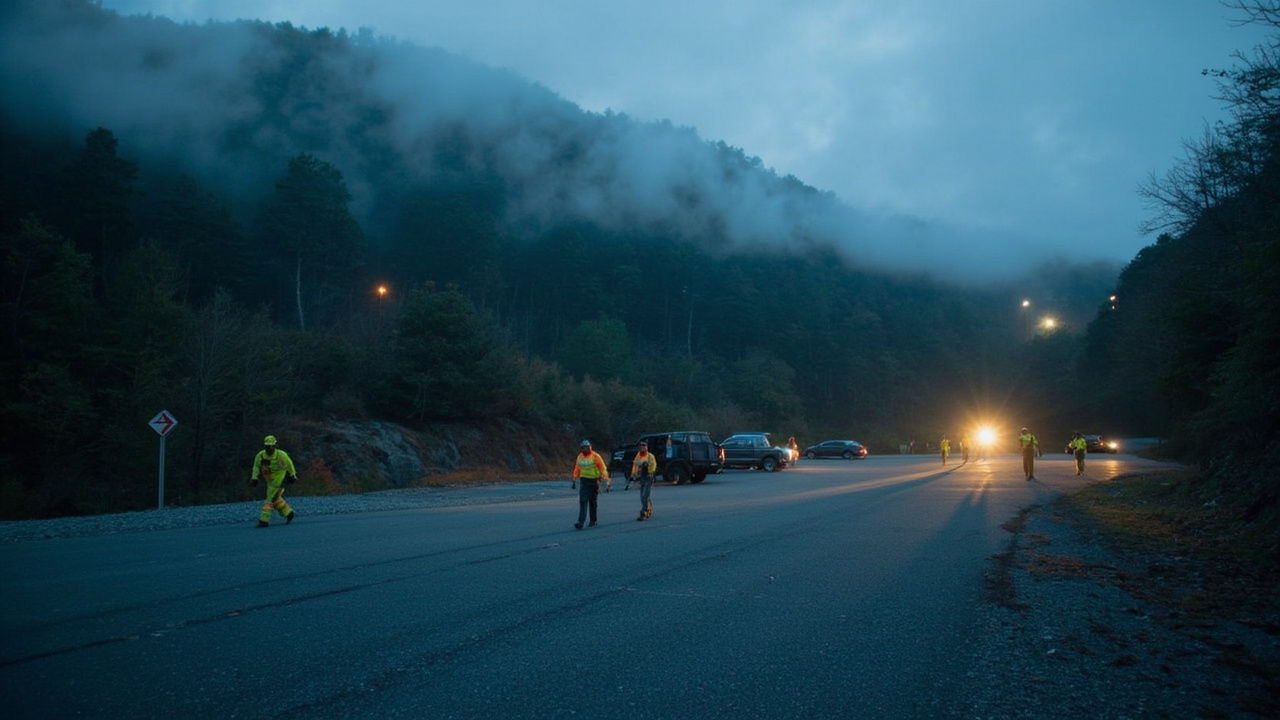
Rangers had completed a perimeter search around the Sugarlands area and were expanding the search area, park officials said in an Aug. 28 news release covered by the Charlotte Observer. A team of 47 park rangers and volunteers was working in and around the park. Officials said more resources were en route to help. North Carolina Emergency Management had also deployed four of the state's Mountain Rescue Teams to assist.
Anyone with information was asked to contact Great Smoky Mountains National Park dispatch at [email protected], according to WVLT reporting on the Aug. 28 park update. Park officials said visitors may encounter search personnel wearing brightly colored shirts both on and off established trails.
What Rangers Confirmed on Aug. 28
Report date and last-known location
The National Park Service said Bachleda-Blaszczak was reported missing the evening of Aug. 24, as reported by the Charlotte Observer. The report went to the park dispatch center. Following the initial report, his vehicle was located in the Sugarlands Visitor Center parking lot. Park officials identified that parking lot as the last known whereabouts based on the initial investigation. The date associated with that last known location was Aug. 22.
The distinction between report date and last-known date shaped the early operation. The missing-person report arrived Aug. 24. The location clue pointed to Aug. 22 in the same Sugarlands Visitor Center parking lot. Rangers treated the parked vehicle as the starting point for ground work. That sequence was described in the park's Aug. 28 news release.
WVLT, reporting the same Aug. 28 update, said the park had set up a perimeter around the Sugarlands area and was expanding the search. The station also noted the search involved help from other agencies. The Charlotte Observer account likewise described a search in and around the park with additional resources en route.
Vehicle clue at Sugarlands
Park officials said the vehicle was found in the Sugarlands Visitor Center parking lot, according to the Charlotte Observer. WVLT reported that officials found his car near Sugarlands Visitor Center after dispatch received the report. The lot sits at a busy northern access point for the national park.
Sugarlands Welcome Center is about a two-mile drive south from Gatlinburg, Tennessee, according to the Charlotte Observer. The center and its parking area serve visitors entering from the Tennessee side. Rangers completed a perimeter search around the Sugarlands area first. They then continued expanding the search area outward.
The focus on a vehicle in a developed parking lot carries a wilderness-readiness lesson. A parked car gives search managers a last verified place to anchor map work. It narrows an otherwise very large landscape to a defined starting perimeter. From there, teams can check nearby roadsides, trailheads, buildings, drainages, and adjacent woods before widening coverage.
Who Search Teams Were Looking For
Description released by the park
Park officials described Bachleda-Blaszczak as having brown hair and blue eyes, according to the Charlotte Observer. He stands 5 feet, 6 inches tall. He weighs about 170 pounds. WVLT gave the same description in its Aug. 28 report: a 5-foot-6 man weighing around 170 pounds with blue eyes and brown hair.
The park released a missing-person poster with the same identifying details, as noted by the Charlotte Observer. The poster carried the name Marcin Bachleda-Blaszczak. It supported public tip efforts during the active search. Officials asked anyone who believed they had seen him to contact dispatch.
No clothing description or planned route was included in the Aug. 28 accounts used for this report. No age, hometown, or party size was listed in those accounts. The available public detail on Aug. 28 centered on name, height, weight, hair color, and eye color. That limited profile made vehicle location and timing especially important for anyone retracing sightings.
How to report a possible sighting
Anyone with information was asked to contact Great Smoky Mountains National Park dispatch by emailing [email protected], according to WVLT. The Charlotte Observer also directed attention to park dispatch channels and public sharing of information. Tips about trail encounters, parking-lot sightings, or roadside observations could be sent to that address.
For wilderness travelers, the tip request shows why noting time, place, and direction matters. A useful report names the trail or road, the time of day, and the direction of travel. It notes what the person was doing and whether others were nearby. It preserves the exact spot rather than a general area name. Sending that detail promptly to dispatch helps managers compare tips against the Aug. 22 parking-lot timeline.
Where the Search Was Happening
Sugarlands area and perimeter work
Rangers completed a perimeter search around the Sugarlands area, park officials said in the Aug. 28 release summarized by the Charlotte Observer. They continued expanding the search area. WVLT described the same step as a perimeter set up around the Sugarlands area with expansion underway.
Perimeter work means checking the immediate surroundings before committing teams farther out. It covers the parking lot edges, adjacent buildings, short paths, and nearby woods lines. It also covers routes a person could reach quickly on foot from a parked vehicle. Once that ring is complete, managers assign additional segments beyond it.
Park officials said visitors may encounter search personnel wearing brightly colored shirts both on and off established trails, according to the Charlotte Observer. The warning told hikers not to be alarmed by off-trail movement. It also asked visitors to give teams room to work. Bright clothing helped distinguish official searchers in dense cover.
A large and busy park landscape
Great Smoky Mountains National Park covers 522,427 acres, or 800 square miles, according to the Charlotte Observer. The park is about a 150-mile drive northwest from uptown Charlotte. It ranks among the nation's most visited national parks.
The Charlotte Observer noted that dangers in the park include bears, timber rattlesnakes, sheer mountain cliffs, and swift streams that rise rapidly during storms. Those hazards affect both missing persons and search crews. They explain why rangers stress staying on established routes and avoiding stream crossings during high water. They also explain why expanding searches proceed methodically rather than rushing into steep or swift-water terrain.
The size and visitation level create a complex search environment. A single parking lot can serve day visitors, through-hikers, and scenic drivers. Vehicles arrive and depart throughout the day. Witness memories fade quickly. That is why the Aug. 28 messages emphasized prompt tips to [email protected] and public awareness around Sugarlands.
What Resources Were Assigned
Rangers, volunteers, and state teams
A team of 47 park rangers and volunteers was searching in and around the park on Aug. 28, officials said, as reported by the Charlotte Observer. More resources were en route to help. North Carolina Emergency Management had also deployed four of the state's Mountain Rescue Teams to assist with the search.
The number shows a multi-agency effort rather than a single patrol response. Park rangers provided local terrain knowledge and incident command. Volunteers added staffing for perimeter checks and trail assignments. State mountain rescue teams added specialized backcountry search capacity. Additional arriving resources allowed managers to widen segments while maintaining coverage near Sugarlands.
WVLT likewise described the operation as continuing with help from other agencies. The station's Aug. 28 update emphasized that rangers were expanding beyond the initial Sugarlands perimeter. The parallel accounts indicate an operation growing in personnel and area on the same day. For readers tracking readiness, the pattern is familiar: start small and verified, then scale as time passes without contact.
What expansion means for hikers nearby
Expansion means searchers work both on and off established trails, as the park's bright-shirt notice explained via the Charlotte Observer. Hikers in the Sugarlands vicinity could expect to see teams along paths and in nearby woods. They could also expect questions about anything seen on or after Aug. 22. Carrying identification, keeping to planned routes, and reporting unusual observations support that kind of operation.
Travelers can reduce confusion during an active search by avoiding closed or staffed segments. They can keep noise low when teams are listening for calls for help. They can check bulletin boards and visitor-center notices before starting a hike. They can leave a trip plan with a contact who knows when to call dispatch if they do not return.
Readiness Takeaways From the Sugarlands Operation
Leave a traceable trip plan
The Sugarlands case shows how a vehicle becomes the first solid clue when no route plan is publicly known. Rangers began where the car was found. A written trip plan left with a trusted contact complements that clue. It should list the trailhead, intended direction, turnaround time, and vehicle description. It should state when the contact should notify authorities. That information shortens the gap between the Aug. 22-type last location and the Aug. 24-type report.
Parking-lot discipline also helps. Park in marked areas where rangers expect vehicles. Keep the permit or parking receipt visible where required. Do not move to another access point without telling a contact. A car left exactly where the plan says it will be speeds confirmation that the right area is being searched.
Report promptly and precisely
The missing-person report reached dispatch the evening of Aug. 24, according to the Charlotte Observer and WVLT. The park issued wider public notice later in the week, culminating in the Aug. 28 release. Prompt initial reporting gave rangers a chance to secure the parking-lot clue and start perimeter work. Public tip appeals then extended awareness to visitors who may have been present Aug. 22 through Aug. 24.
Precision strengthens that chain. Note license details only if safely observed and relevant to a request. Record dates and times rather than approximations where possible. Keep photos with timestamps that show trail conditions or crowds. Send the material to the official address, [email protected], rather than relying on social-media comments alone.
Prepare for Smokies terrain and traffic
The park's scale and hazards demand conservative day-hike habits. The Charlotte Observer cited 522,427 acres and listed bears, timber rattlesnakes, cliffs, and fast-rising streams as dangers. Sugarlands sits just south of Gatlinburg, so trailheads can be crowded even when nearby slopes are steep and wooded. Crowds do not remove exposure to weather, wildlife, or falls.
Hikers can lower risk by staying on marked trails and keeping distance from wildlife. They can treat mountain streams with caution after rain. They can carry light, navigation tools, and extra layers even for short walks from a visitor center. They can check weather and sunset times before leaving the parking lot. Those general habits align with the conditions described for the national park in the Aug. 28 coverage.
The search for Marcin Bachleda-Blaszczak remained the operational focus on Aug. 28, with rangers expanding beyond Sugarlands and partner teams joining the effort. Officials continued to ask the public for tips at [email protected] while 47 park personnel and volunteers plus four North Carolina Mountain Rescue Teams worked the assignment. The vehicle location, the Aug. 22 date, and the Aug. 24 report time formed the verified core of the case on that news day.
Sources referenced
- Man missing in Smoky Mountains found in NC, park says | Charlotte Observer (https://www.charlotteobserver.com/news/state/north-carolina/article317043926.html)
- Great Smoky Mountains rangers expand search for missing man | WVLT (https://www.wvlt.tv/2026/08/28/great-smoky-mountains-rangers-expand-search-missing-man/)