TL;DR: Drink water, time outings, and check on vulnerable people
TL;DR: On September 27, 2026, Hong Kong health and weather officials urged everyone to guard against heat cramps, heat exhaustion and heat stroke during very hot weather.
The Centre for Health Protection (CHP) of the Department of Health (DH) issued its reminder on Sunday, September 27, according to DH reminds public to take precautions against heat-related illnesses during very hot weather, dispatched at HKT 6:46. One minute earlier, the Hong Kong Observatory (HKO) had issued its Very Hot Weather Warning at 6:45 a.m., according to PRESS WEATHER NO. 047 - VERY HOT WEATHER WARNING. The warning said very hot weather was expected in Hong Kong that day and the public should beware of heat stroke.
The forecast for the day called for mainly fine, very hot and dry conditions, with a maximum temperature of around 33 degrees in urban areas and a couple of degrees higher in the New Territories, with light to moderate southwesterly winds, according to the HKO local forecast dispatched at 06:45 HKT on September 27, 2026. That same afternoon, heat illness interrupted two hikes, underscoring why officials asked residents to adjust clothing, hydration, timing and shelter plans, according to Heat warning triggers two hiking rescues in Plover Cove and Ngong Ping.
Why officials issued back-to-back alerts on September 27
The CHP statement identified three heat-related illnesses for the public to prevent: heat cramps, heat exhaustion and heat stroke. It explained that excessive sweating combined with difficulty dissipating heat in a high-temperature environment can place stress on the body.
The Observatory warning reinforced the same concern for September 27 operations. It listed elderly persons, pregnant women, infants and children, people with chronic illnesses such as heart disease or high blood pressure, and people described as obese as more vulnerable to heat stroke and advised watching for symptoms.
The HKO attributed fine conditions over Guangdong to an anticyclone aloft. Its 06:45 HKT bulletin also placed Typhoon Surigae about 210 kilometres south of Okinawa at 5 a.m., forecasting movement northeast at about 15 kilometres per hour across the seas east of the Ryukyu Islands. The outlook called for mainly fine and very hot conditions over the next couple of days, then gradually becoming cloudier with a few showers on National Day and in the latter part of the week.
Two afternoon trail incidents showed the risk in real time
The day’s forecast risk became two rescue responses, as reported by Heat warning triggers two hiking rescues in Plover Cove and Ngong Ping, published at 3:26 p.m. on Sunday, September 27, 2026.
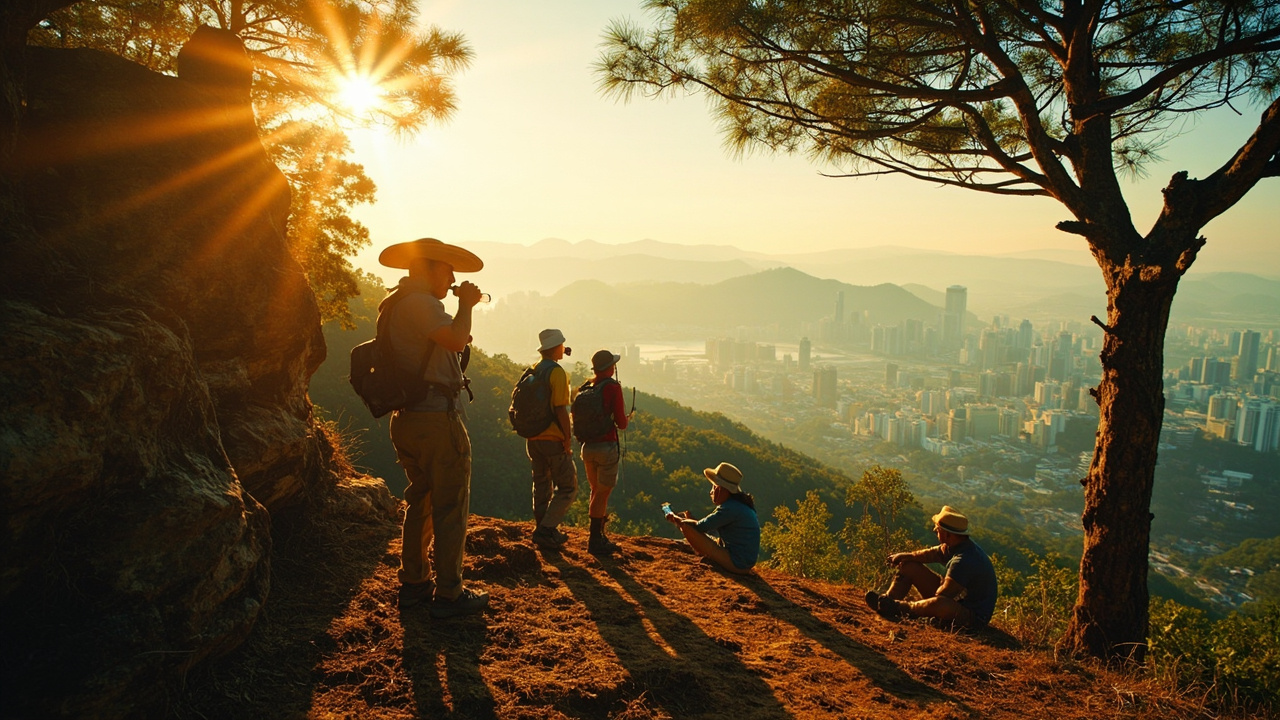
At 1:01 p.m., police received a report from a man who felt unwell while hiking on the Plover Cove Reservoir Country Trail with suspected heatstroke. Rescue personnel evacuated him by helicopter to Wan Chai Heliport for onward transfer to Ruttonjee Hospital. At 2:19 p.m., a second report came from the Ngong Ping Trail near Ngong Ping 360, where a male hiker developed leg cramps while walking with three companions. The report stated that the Government Flying Service responded to both cases.
For wilderness readiness, the pair of calls illustrates the CHP advice to avoid strenuous exercise and prolonged activities such as hiking or trekking during very hot weather. The Observatory warning gave the field alternative: perform outdoor activities in the morning or late afternoon, drink more water, avoid over-exertion, and rest in shade or a cooler place as soon as possible when feeling unwell.
Core personal precautions for very hot weather
The CHP set out six general precautions for all members of the public in DH reminds public to take precautions against heat-related illnesses during very hot weather.
First, hydrate in a timely manner to prevent dehydration and bring enough water when arranging outdoor activities. Second, wear light-coloured, loose-fitting and breathable clothing to minimise heat absorption and facilitate perspiration and heat dissipation. Third, keep indoor areas well ventilated and maintain appropriate temperature and humidity, for example by opening windows or using a fan or air-conditioning.
Fourth, avoid strenuous exercise and prolonged activities such as hiking or trekking. Fifth, arrange outdoor activities in the morning or the late afternoon if possible. Sixth, avoid beverages containing caffeine, such as coffee and tea, as well as alcoholic beverages, which the CHP said may speed up water loss through the urinary system.
The Observatory warning added shelter tactics for the same day. It said people indoors should replenish water in a timely manner. Where air-conditioning was unavailable, windows should be kept open and fans used as far as possible to maintain adequate indoor ventilation. It also noted that public facilities with heat sheltering may be used.
Extra steps for infants and young children
The CHP said infants and children are among the groups more susceptible to heat stroke, alongside the elderly, pregnant women, individuals with chronic illnesses such as heart disease or high blood pressure, overweight people and outdoor or manual workers.
For infants and young children, the CHP advised avoiding going outside when the temperature is high. If they must go outside, adults should ensure they stay in places with moderate temperatures and good ventilation or air-conditioning. The statement added that infants and young children should never be left unattended in a confined space such as a vehicle.
The Observatory warning grouped infants and children with elderly persons, pregnant women, those with chronic illnesses and the obese as requiring extra vigilance for heat-stroke symptoms. It advised those more vulnerable to heat stroke to avoid outdoor activities and stay away from hot environments as far as possible, remaining in cool, well-ventilated or air-conditioned places.
How older adults, pregnancy, chronic illness and overweight change the plan
For the elderly, pregnant women, individuals with chronic illnesses and overweight people, the CHP advised close attention to health conditions. People should seek help as soon as possible if experiencing abnormalities in health indicators such as blood pressure or heart rate, or if there are fluctuations in health conditions.
The same guidance said to avoid going out when the temperature is high. Indoors, it called for good ventilation, or use of a fan or air-conditioner to keep an appropriate temperature. It noted that high temperatures can worsen the condition of people with chronic illnesses such as cardiovascular and respiratory diseases.
Readiness for these households includes medication and contact planning. The CHP said affected individuals should have an ample supply of their usual medication and keep in contact with family members, neighbours and the community. People should seek immediate help if they feel unwell.
The Observatory warning assigned a role to contacts. It said to beware of the health and wellbeing of elderly persons or people with chronic medical conditions. If readers know such individuals, it advised calling or visiting them occasionally and checking whether household ventilation and air-conditioning devices function properly.
Outdoor and manual worker guidance for hot environments
The CHP placed outdoor and manual workers in the higher-susceptibility group for heat stroke. It advised rescheduling work to cooler hours as far as feasible.
Where working in a hot environment was unavoidable, the CHP said to provide shade where practicable and use ventilation and heat-dissipation equipment. Once work had begun, workers should gradually adjust the pace of work and take breaks in the shade to regain strength.
The Observatory warning directed people engaged in work under hot weather or high-temperature environments to refer to the guidance notes on prevention of heat stroke at work of the Labour Department and take necessary precautions. The CHP also pointed workers and employers to press releases of the Labour Department on precautions against heat stroke for outdoor workers and their employers when the Heat Stress at Work Warning is in force.
Hospital data behind the heat-stroke warning
The DH described heat stroke as one of the most common health risks in hot weather. Over the past five years, there have been over 200 hospital admissions due to heat stroke each year in Hong Kong, with two to five fatal cases occurring mainly during the summer months from May to September.
Vulnerable groups are more susceptible to heat stroke, the DH said. Listed symptoms include dizziness, headache, nausea, shortness of breath or confusion. In severe cases, patients may suffer from convulsions or become unconscious, which can be life-threatening if they are not cooled down and resuscitated in a timely manner.
The response instruction was direct. The CHP said that if symptoms develop, such as dizziness, headache, nausea, shortness of breath or confusion, rest and seek help immediately, and seek medical advice as soon as possible. The Observatory warning used parallel field language: drink more water, avoid over-exertion, and take a rest in the shade or cooler place as soon as possible if not feeling well.
Sun and UV protection when the index reaches 6 or above
The public was also advised to pay attention to the latest weather, as well as the real-time and forecasted ultraviolet index released by the HKO. When the UV index is high, defined as 6 or above, the CHP listed seven protective steps.
People should avoid direct sunlight exposure to the skin and the eyes and seek shade. They should wear UV-blocking sunglasses, wear loose-fitting clothing with long sleeves, and wear a wide-brimmed hat or use an umbrella.
For sunscreen, the CHP advised applying broad-spectrum, water-resistant sunscreen liberally, with a sun protection factor of at least 30 or higher, when participating in outdoor activities. It said to reapply every two hours if staying outdoors for long periods, or after swimming, sweating or towelling off. While using DEET-containing insect repellents for personal protection against mosquito-borne diseases, the CHP said to apply sunscreen before insect repellent.
The Observatory warning contained matching trail-ready detail. It advised light-coloured and air-permeable clothing, a wide-brimmed hat that covers the back of the neck, and UV-blocking sunglasses to reduce the chance of sunburn by solar UV radiation. It likewise advised choosing a broad-spectrum, water-resistant sunscreen product with a sun protective factor of 30 or higher for outdoor activities, applied liberally and reapplied every two hours during prolonged outdoor stay or after swimming, sweating or towelling off. It also advised avoiding prolonged exposure under sunlight.
Where to check official updates before heading out
The CHP listed information channels for further health and weather checks. They included the CHP heat stroke page and UV radiation page, plus HKO Dial-a-Weather at 1878 200, the latest weather report and forecast, UV Index data, and weather information for hiking and mountaineering.
For backcountry planning, those HKO hiking and mountaineering weather products matter most on a day forecast to reach around 33 degrees in town and higher in the New Territories. Combined with the Very Hot Weather Warning status, timely hydration, shaded rest stops, morning or late-afternoon scheduling, light-coloured breathable layers, and a prompt turnaround if dizziness, headache, nausea, breathlessness or confusion appear form the practical implementation of the September 27 guidance.