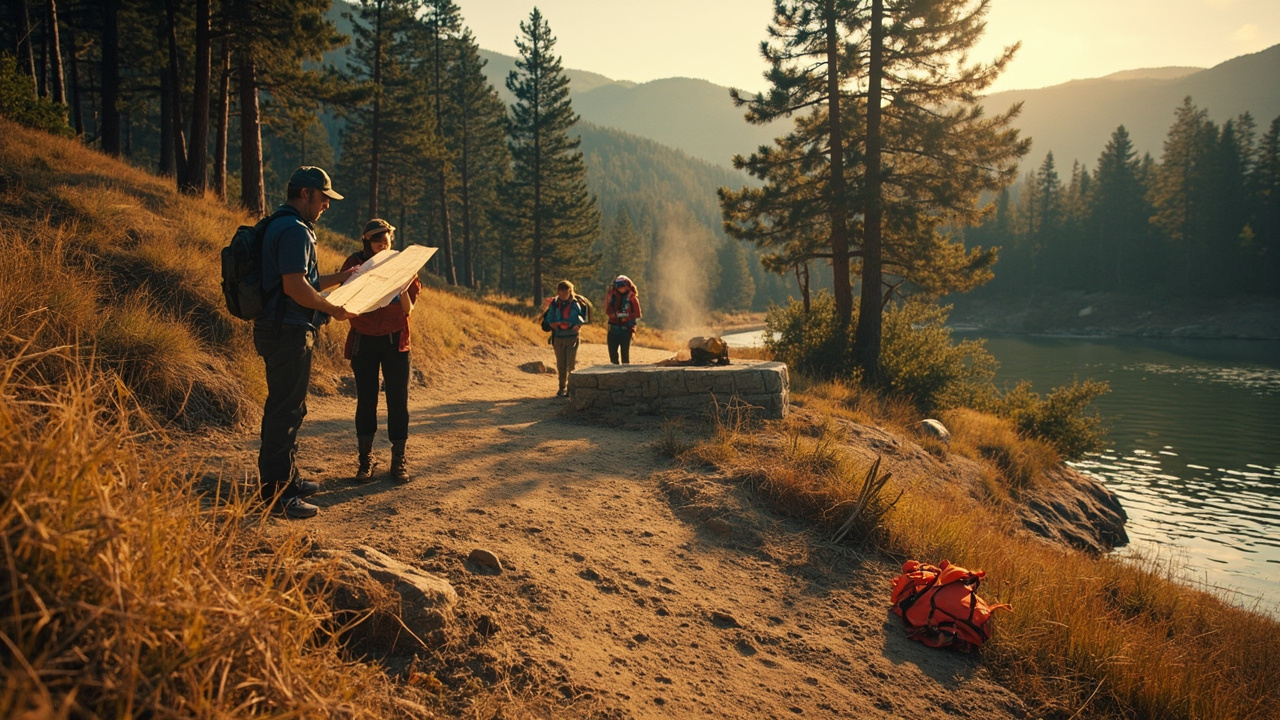
TL;DR: For Labor Day weekend in California's national forests and state parks, officials asked visitors to check fire restrictions, closures and road conditions before leaving, bring backup plans, and follow heat, fire, water and traffic safety steps.
According to the Forest Service release titled "Safe recreation over Labor Day weekend in Pacific Southwest," issued from Vallejo, CA on September 4, 2026, visitors were encouraged to plan ahead and check current fire restrictions and area closures in place due to active wildfires.
Check Closures Before You Leave Home
The Pacific Southwest Region release asked visitors to follow a "Know Before You Go" approach by reviewing current closures, fire restrictions and road conditions before leaving home and by preparing backup plans in case sites become inaccessible.
Land managers recommended planning alternate destinations and staying flexible, because conditions and evacuation levels can change quickly, according to the same Forest Service release.
For current information on fire conditions, visitors were directed to check each forest's website for alerts or contact a local office directly.
The Forest Service release listed the Pacific Southwest Region Regional Office at 1323 Club Drive in Vallejo, CA 94592, with phone 707-562-8737 and TTY 707-562-9240, and noted no in-person service at that office.
A separate September 1, 2026 advisory titled "Put in the Work to Have a Safe Labor Day Weekend in California's State Parks" from California State Parks carried similar planning advice for the state's park system.
According to that California State Parks advisory, California has 280 and growing state parks, and visitors were reminded to recreate safely during Labor Day weekend and all year long.
That advisory said to plan ahead and know what to bring and avoid, to find a state park through parks.ca.gov/Find-a-Park, and to find additional safety tips on backpacking, biking, camping, horseback trails and regulations at parks.ca.gov/SafetyTips.
Time Hikes To Avoid Heat Peaks
The Forest Service release said sunrise and sunset are ideal for hikes and advised avoiding heat peaks which can cause heat-related illnesses.
California State Parks gave the same timing principle in different terms, advising visitors to schedule activities based on temperatures throughout the day.
For heat preparation, the Forest Service release advised bringing ample water, applying sunscreen, and dressing for hot conditions.
California State Parks advised staying energized and hydrated by bringing snacks and plenty of water, dressing in appropriate clothing for planned activities, and using hats, sunglasses and sunscreen to shield from the sun.
The state parks advisory also said hiking is better together, and advised always hiking with a friend and bringing appropriate supplies, such as water, sunscreen and appropriate shoes and clothing.
Share Your Itinerary And Carry A Map
The Forest Service release advised sharing an itinerary with someone, traveling in groups, carrying reliable maps because mobile service may be unavailable, and preparing for emergencies.
For park navigation and emergency location, the California State Parks advisory pointed visitors to the OuterSpatial app as a guide to California's state parks.
According to that advisory, the app provides an interactive map, accurate directions and real-time updates for park exploration, and integrates with what3words to allow visitors to communicate precise locations in emergency situations, even in remote areas.
Campfire Rules: Designated Areas And Drown, Stir, Feel
For campfires, the Forest Service release instructed visitors to observe local restrictions, build only in designated areas, clear a 5 foot bare-soil perimeter, and extinguish completely with a "drown, stir, feel" process before leaving.
The Lincoln-area detail is not part of this region, but the Pacific Southwest guidance itself made the 5-foot perimeter and drown-stir-feel check the standard for the holiday weekend.
California State Parks separately advised never leaving fires unattended, remembering to fully extinguish fires before leaving, and keeping water and a shovel nearby.
That state advisory said open campfires should be built in clear areas away from fuels such as logs, brush or decaying leaves and needles, and advised avoiding building fires larger than necessary.
Both agencies prohibited or restricted certain fire sources. The Forest Service release stated no fireworks are allowed and told visitors to leave them at home. The state parks advisory framed the same issue as practicing fire safety and fully extinguishing fires.
To report wildfires, illegal fireworks or unsafe fire use on national forest lands in the region, the Forest Service release instructed visitors to call 911.
Do Not Park On Dry Grass Or Vegetation
The Forest Service release warned not to park on dry grass because hot vehicle components can spark fires, and separately warned against parking on vegetation because of spark-started fire risk.
Near active fires, the release said visitors can expect to encounter firefighter traffic, dusty roads and areas of smoke, and told drivers to use caution and follow the designated speed limit when driving on forest roads.
For crowded holiday travel, the release told visitors to expect crowded roads and to consider carpooling, biking or public transport.
California State Parks added a separate driving rule: operating vehicles, including a boat or an off-highway vehicle, while impaired is against the law, and impaired drivers and boaters can be arrested and their car or boat can be towed.
That state advisory also said to skip alcohol and drugs, noting alcohol is not permitted in some state parks and directing visitors to check each specific park website for local posted orders concerning alcohol.
Burn Areas, Dead Trees And Trash
The Forest Service release told visitors to be cautious of dead or hazard trees and to avoid camping under them.
It also told visitors to recreate responsibly in fire burn areas, stating that burned landscapes present numerous safety hazards that either did not exist prior to the fire or have been worsened by the effects of the fire.
The listed burn-area hazards to watch for were burned or falling trees and limbs, ash pits, burned stump holes and flash flooding.
Visitors were also told to pack out all trash and clean up after themselves to protect wildlife and water systems, according to the Forest Service release.
Dogs, eBikes And Courtesy
For pets, the Forest Service release said to respect dog rules, noting many beaches and wilderness zones prohibit dogs.
For electric bicycles, the release said to ride eBikes only on designated motorized trails and to be courteous to others.
The California State Parks advisory did not set a separate dog or eBike rule in the excerpt provided, but its general planning message told visitors to know what to bring and avoid and to check park-specific rules.
Cold-Water Shock, Life Jackets And Rip Currents
The Forest Service release identified cold water shock as a hazard and advised wearing life jackets during swimming or boating.
It also told visitors to check the forecast and be aware of flash flooding risk, especially in burned areas.
The California State Parks advisory gave more detailed water guidance, starting with wearing a properly fitted, U.S. Coast Guard-approved life jacket around the water.
According to that advisory, water-related incidents can happen suddenly, and wearing a life jacket is the best way to increase chances of survival. It pointed to locations where public agencies and private organizations loan life jackets to the public.
For ocean rip currents, the state advisory said to stay calm and not fight the current, to swim or float parallel to the shore until out of the current and then swim toward shore, and, if unable to reach shore, to draw attention by yelling and waving for assistance.
The same advisory told visitors to call 911 or seek help from a nearby lifeguard during emergencies, and to avoid rope swings and diving headfirst into the water.
What To Do If Conditions Change
The core readiness instruction across both advisories was to keep plans flexible and verify conditions through official forest or park channels rather than assuming a site is open.
The Forest Service release emphasized alternate destinations, backup plans, forest websites, alerts and local offices. The California State Parks advisory emphasized park websites, posted orders, safety-tips pages and the OuterSpatial map tool.
Together, the two advisories described a Labor Day approach built on checking restrictions, timing heat exposure, carrying water and maps, controlling campfires, keeping vehicles off dry vegetation, giving fire crews room on forest roads, securing trash, following dog and eBike designations, and wearing life jackets near water.
Sources referenced
- Safe recreation over Labor Day weekend in Pacific Southwest | Forest Service (https://www.fs.usda.gov/r05/newsroom/releases/safe-recreation-over-labor-day-weekend-pacific-southwest)
- Put in the Work to Have a Safe Labor Day Weekend in California's State Parks | California State Parks (https://www.parks.ca.gov/NewsRelease/1563)