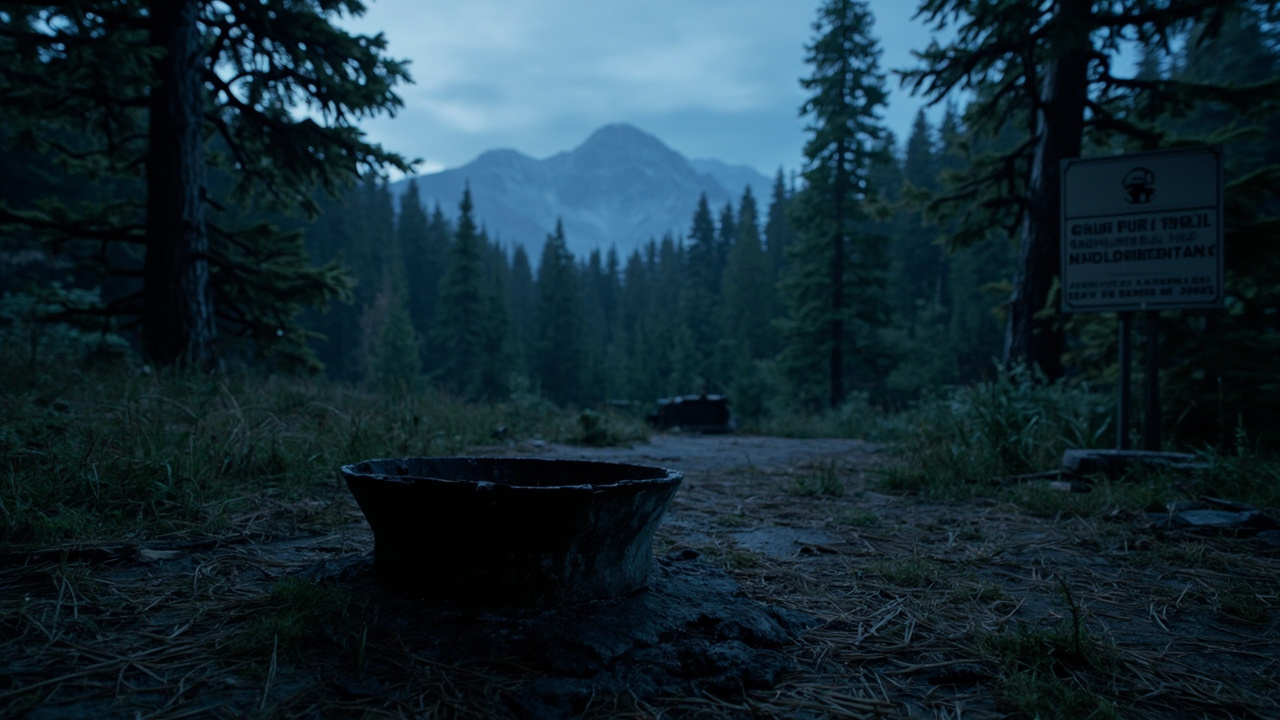
TL;DR: Washington State Parks kept a year-round burn ban with Level 2 limits in many campgrounds on Sept. 25, 2026, while Anderson Lake, Beacon Rock and several construction zones faced closures.
Why Sept. 25 matters for park readiness
Fall trips demand a different checklist than summer trips. Fire rules still applied, water closures remained posted, and construction and bridge work narrowed access at several popular destinations. According to Alerts | Washington State Parks, a burn ban covered all Washington State Parks and properties at all times, with most overnight parks at Level 1 or higher throughout the year and most day-use-only sites listed as no fires at any time unless fire rings or braziers were present.
That standing rule shaped every overnight plan. Visitors could not assume that cooler air meant open burning. According to Washington Burn Ban Runs Through September 30 as DNR Warns Fire Season Not Over Yet — NW FireWatch, a mandatory statewide burning ban stayed in force through Sept. 30 despite recent rain that had lowered danger in much of the state. The message for wilderness readiness was simple: verify the posted level for the exact park before lighting anything.
Burn-ban levels explained for campers
Washington State Parks used a five-tier system to tell campers what heat source was allowed.
Level 1 allowed fires inside designated pits and grills, plus propane and gas grills. Level 2 narrowed wood burning to pits in designated areas, continued to allow gas and propane, and warned that charcoal could face restrictions. Level 3 allowed only self-contained gas and propane stoves and portable gas or propane pits, with no wood or charcoal fires. Level 4 prohibited open flame of any kind, allowed internal recreational-vehicle stoves, prohibited smoking, and warned that trails and undeveloped ground could close to entry. A separate no-fires-at-any-time category prohibited fires through the entire year.
According to Alerts | Washington State Parks, a Level 2 notice posted Sept. 25, 2026 repeated the core formula: wood limited to designated pits, gas and propane allowed, charcoal potentially restricted. The page also directed travelers to check AirNow for current air quality at their destination. For survival planning, that pairing mattered. Smoke exposure and flame risk changed by valley, slope and day, so a statewide level did not replace a park-specific check.
The agency also published its level chart as a downloadable PDF and offered translated versions in Spanish, Korean, Chinese, Vietnamese, Russian and Ukrainian. Groups with varied language needs could review the same heat-source rules before arrival rather than interpreting a sign at dusk.
Statewide outdoor burning ban through Sept. 30
A separate state emergency order added another layer. According to Washington Burn Ban Runs Through September 30 as DNR Warns Fire Season Not Over Yet — NW FireWatch, Gov. Bob Ferguson's emergency proclamation barred all outdoor and agricultural burning statewide through the end of September.
The article listed residential and agricultural piles of all sizes, land-clearing burns, recreational fires outside designated rings in established campgrounds, and debris burns of any size on private or public ground as covered activities. Department of Natural Resources Public Information Officer Ryan Rodruck was quoted saying, "Before you burn, definitely make sure to check out those burn bans," and that all burning was restricted until that time.
Fire weather on Sept. 19 was relatively calm. The same report said no National Weather Service fire-weather watches or Red Flag Warnings were active in Washington or Oregon at that time, with mild temperatures, mainly overcast skies and light winds expected across the Cascades through that weekend. Yet officials said Washington had not received the soaking rain needed to end fire season on both sides of the Cascades.
Rodruck was quoted saying, "We're very nearly there," adding, "I don't think Eastern Washington is quite there yet." The report described a season-ending event as wetting rain sufficient to raise moisture in vegetation and fuels and reduce the chance of large fires. It also quoted Rodruck saying, "I've seen fires continue to start clear into November sometimes in my career," and that fire starts would still occur even after such an event. Dry fallen autumn leaves and lingering dry timber, the report said, still provided a receptive fuel bed in parts of Eastern Washington and the Cascade foothills. The department had lowered its preparedness level to 2 but retained staffing and resources through the remainder of the official season.
For park users, the practical effect was that a campfire ring did not equal permission. The statewide order and the park-specific level had to align.
Anderson Lake: water closure plus full park closure
Anderson Lake State Park illustrated why travelers needed to read two alerts for one destination. According to Alerts | Washington State Parks, a water closure posted May 1, 2026 shut all water activities because of elevated toxin levels and warned people not to recreate in or around the water.
The notice explained that Anderson Lake was known for algae blooms capable of halting fishing and water recreation. It warned that contact with toxins in the water could cause serious illness or death for people and pets. That made shoreline discipline a readiness issue, not only a recreation issue. Dogs, children and waders needed to stay clear even when the surface looked calm.
A second notice, posted Sept. 2, 2026 and scheduled to end Oct. 31, 2026, said the park would close for construction Aug. 3 through Oct. 30. Listed work included paving the entrance road, accessible parking, new restrooms, equestrian-area improvements and a new extension to the Olympic Discovery Trail, known as the ODT. A traveler arriving in late September would therefore find both a health-based water closure and a construction-based park closure in force.
Beacon Rock: weekday trail gaps and climbing zones
Beacon Rock State Park required calendar awareness. According to Alerts | Washington State Parks, the Beacon Rock Trail faced intermittent multi-day closures on Tuesdays, Wednesdays and Thursdays from Oct. 1 through the end of May, unless otherwise noted, for replacement of trail decking. The alert, posted Sept. 14, 2026 and set to end May 31, 2027, said the trail would not be accessible during those closure periods and listed park phone number 509-427-8265 for questions.
Climbers faced a separate zone map. A notice posted July 13, 2026 said technical climbing on the south face of Beacon Rock had reopened as of July 9, 2026. The west and northwest faces remained open. The east face was permanently closed to protect natural resources. The split meant hikers and climbers heading to the same formation needed different plans.
Paving, boat launches and campground lanes
Construction alerts narrowed vehicle and boat movement elsewhere. According to Alerts | Washington State Parks, a notice posted Sept. 17, 2026 and ending Oct. 31, 2026 said parts of an unidentified park page would have closed or limited access because of construction, with campgrounds limited to holders of existing reservations only.
The same notice said the boat launch would close Oct. 1 through Oct. 31 for paving. The campground entrance would narrow to one lane Oct. 1 through Oct. 17 for paving, with flaggers directing traffic. It advised travelers to expect delays and allow extra time when entering the campground. Another entry said docks at the Lowell Point boat launch would be pulled starting Monday, Oct. 19 and the launch winterized until spring, while the launch itself remained open without docks. Cama Beach Welcome Center was listed on summer hours of 9 a.m. to 5 p.m. in a notice posted Sept. 1, 2026 and ending Oct. 17, 2026.
The readiness lesson was to carry time margin and a backup launch or campground. Single-lane entrances, missing docks and reservation-only loops leave little room for late-day improvisation.
Trailheads and highways around Sept. 24-31
Larger travel corridors added pressure. According to Hiker Headlines: Fall colors, Summerland trailhead closure, Three Queens Fire closure reduced — Washington Trails Association, the Fryingpan Creek parking area and Summerland spur trail would close Sept. 28 through Oct. 31 for replacement of the Fryingpan Creek Bridge. Parking would be unavailable on both sides of the bridge and the trail inaccessible. The Wonderland Trail would remain accessible from White River Campground.
The same Sept. 24, 2026 report said Highway 101 at the Hoh River Bridge would close 24 hours per day for six days at a time, from 5 a.m. Thursday through 5 p.m. Tuesday, for three weeks beginning Sept. 24. The closure did not block access to a specific site but removed a through route between the north and south sides along Highway 101. Alternate routes would add several hours, so through-travelers needed to plan fuel, food and daylight accordingly.
There was also favorable news. The report said the Three Queens Fire closure order had been reduced, with closures lifted in areas east of Highway 903. Fall color was beginning to appear, documented in hiker trip reports.
Fee-free day on Sept. 26
Timing offered one cost break. According to Hiker Headlines: Fall colors, Summerland trailhead closure, Three Queens Fire closure reduced — Washington Trails Association, Saturday, Sept. 26 was National Public Lands Day, observed as a fee-free day on state lands managed by Washington State Parks, the Washington Department of Natural Resources and the Washington Department of Fish and Wildlife, as well as on Forest Service lands. Parking fees would be waived on many public lands that day.
A free day increases crowds at trailheads and launches. Prepared travelers could use the savings while still arriving early, carrying printed alerts, and keeping stove fuel as the primary cooking method where wood fires were limited.
What to check before you go
Use the park-specific alert filter before departure, confirm the burn-ban number, and read water, trail and construction notices together. Check air quality, expect one-lane campground traffic and closed launches in October, and treat algae-posted water as off limits for people and animals. In fire season's shoulder weeks, a portable gas stove, extra daylight and an alternate destination remain the most reliable survival tools.